Class40: Using offshore racing to support a cause
 Manon Le Guen
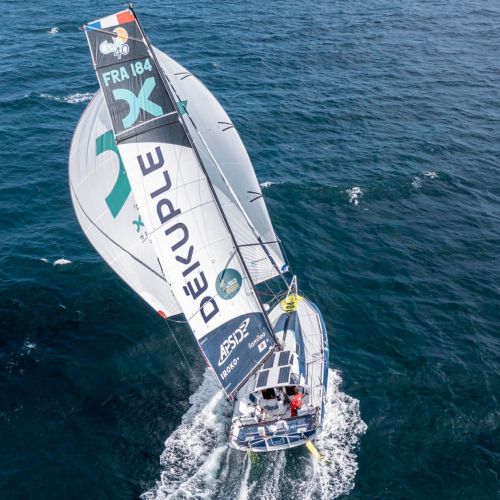
On the Class40 pontoons, some boat names are not chosen by chance. Beyond the sporting performance, several skippers have chosen to name their yacht after a charity organisation, turning every mile sailed into an opportunity to raise awareness, mobilise support and support a cause they care deeply about. Here are four examples.
Boats as ambassadors
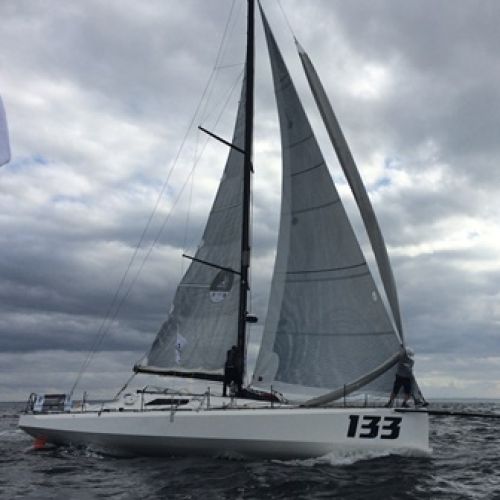
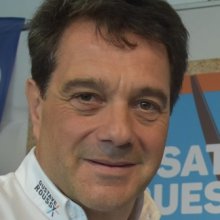
“From the very beginning, the idea was never just to race for our own sake, but to give the race a purpose.” This statement by Christophe Rateau (#133 – Gustave Roussy) sums up the approach of the four skippers gathered here. Behind every partnership with a charity lies, first and foremost, a personal experience.
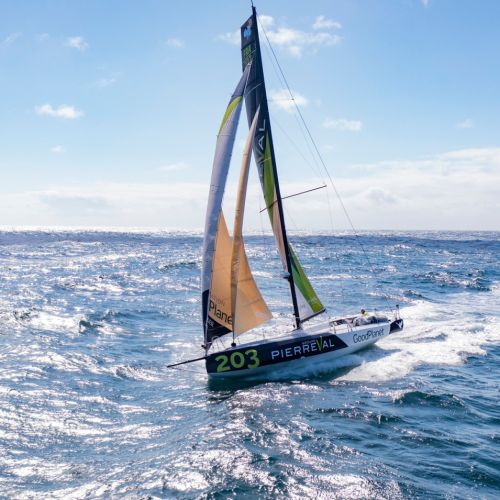
“My partner, Pierreval, wanted to promote an environmental charity by using the boat’s race name. He put out a call for tenders and chose GoodPlanet because it best matched what we both wanted to convey: an image, projects and a way of talking about the environment that doesn’t make people feel guilty,” explains Vincent Riou (#203 – Pierreval – GoodPlanet).
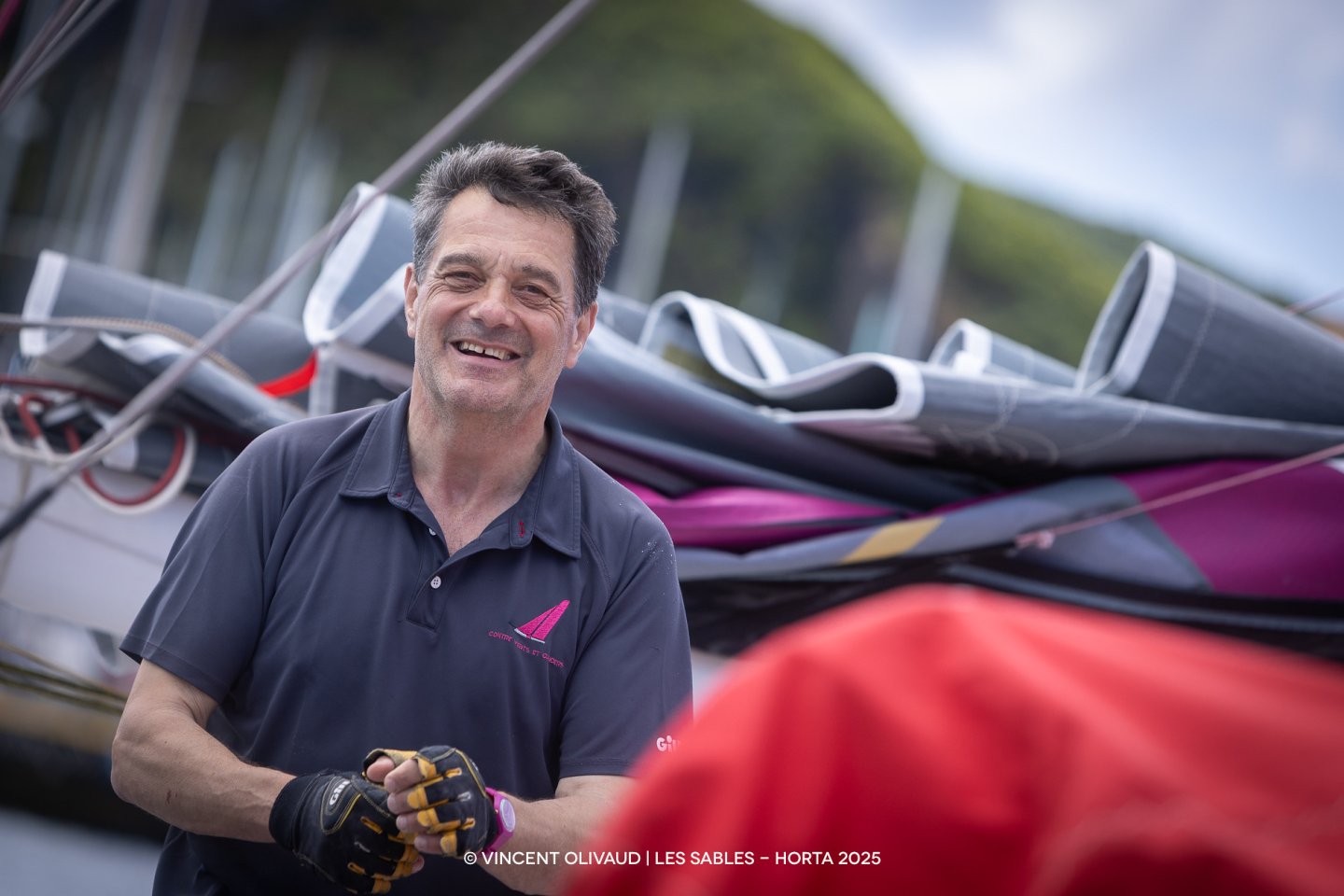 Vincent Ollivaud
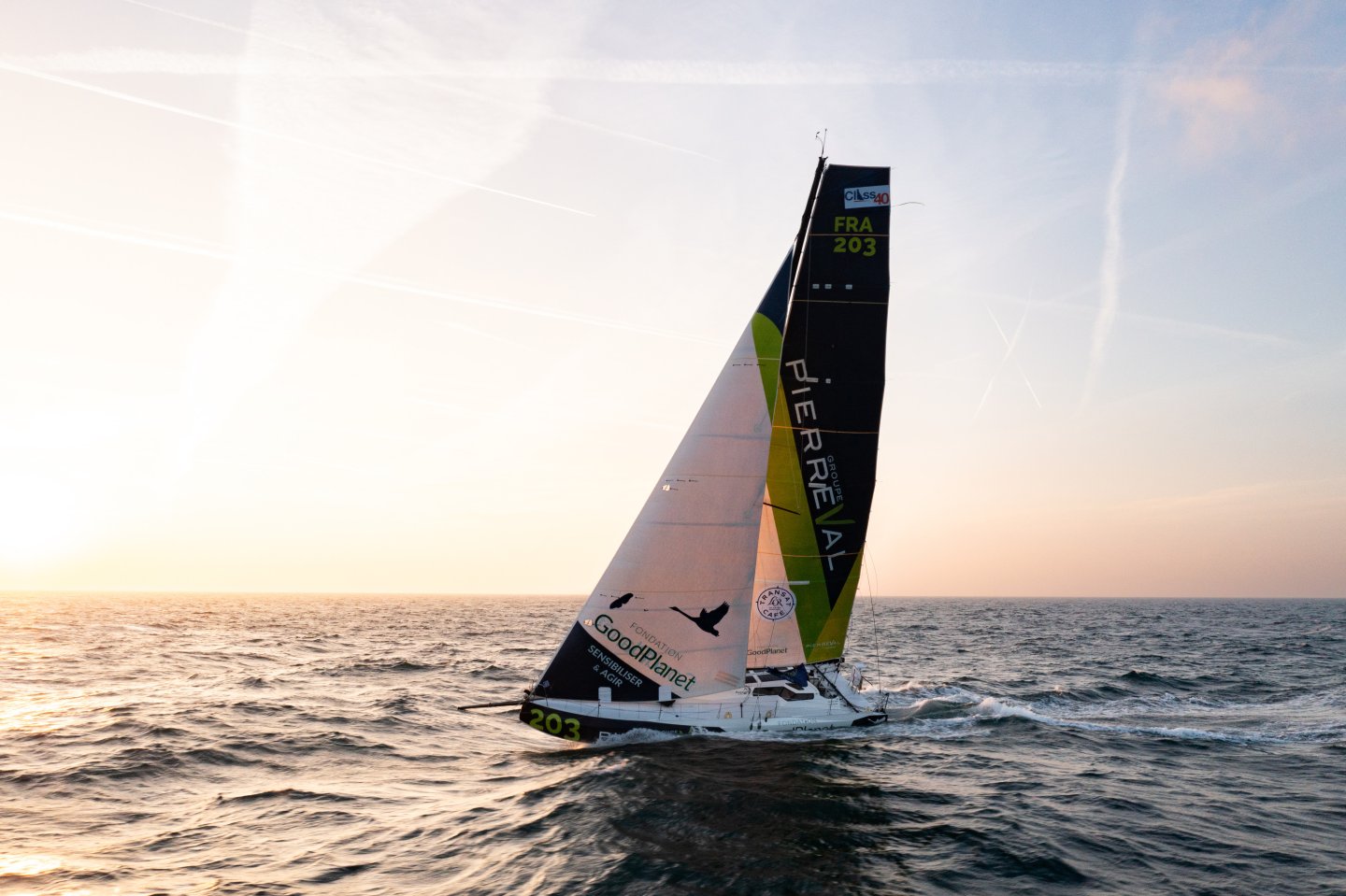 Gauthier Lebec
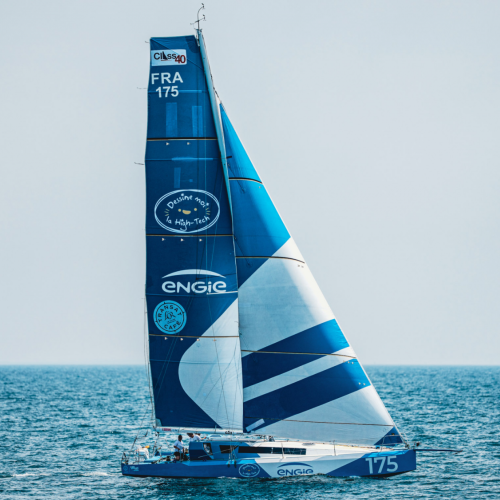
The story is different for Sophie Faguet (#175 – défi Solidaire pour Ellye and L’Arche). In 2025, she joined forces with Nicolas Jossier, also a Class40 skipper, who was diagnosed with lymphoma in 2015. “ELLyE supported Nicolas throughout his illness; it is this personal connection that gives the project its true meaning.” She then brought in L’Arche, a charity she also supports.
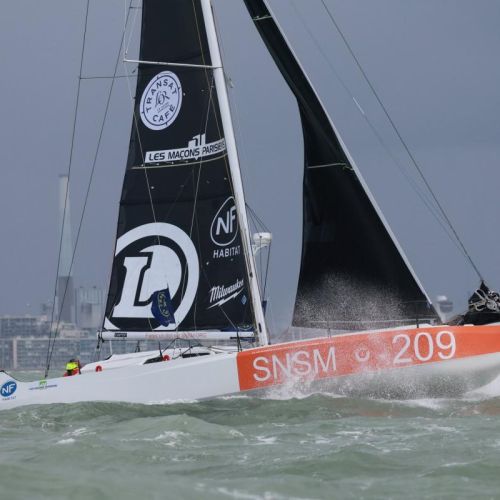
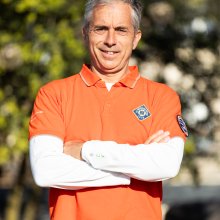
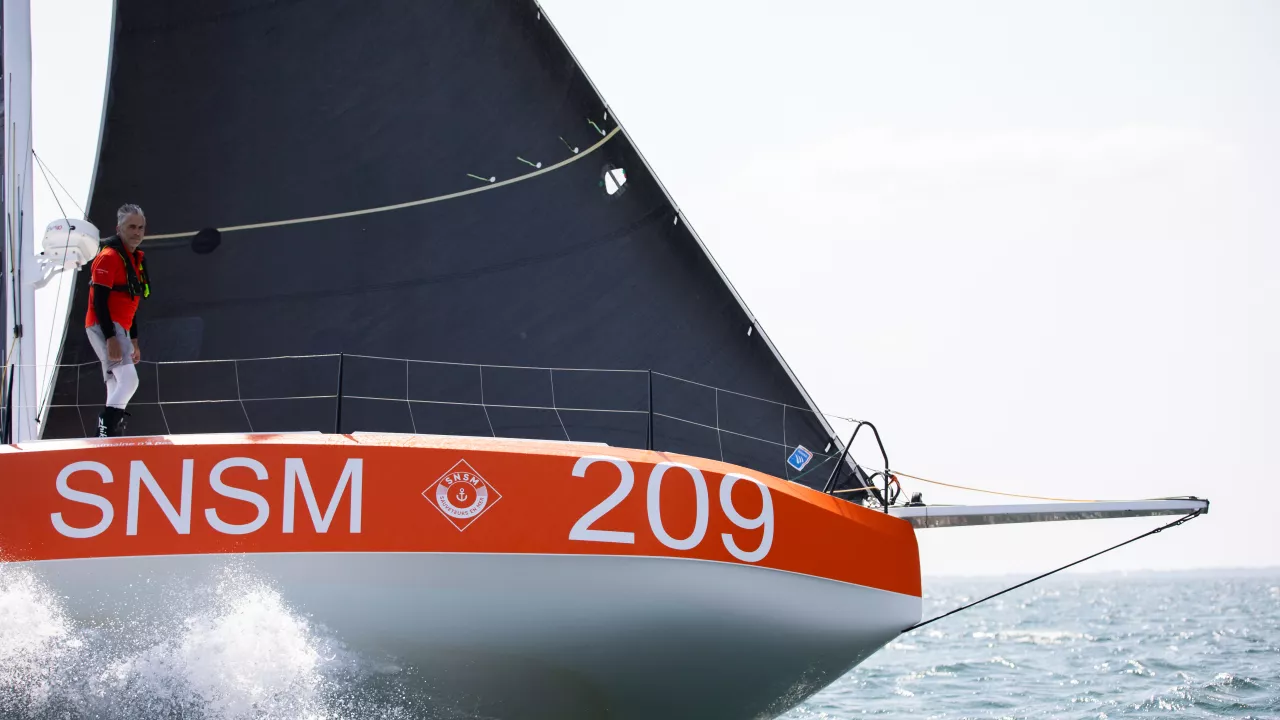
With an unambiguous race name (#209 – SNSM Faites un don), Corentin Douguet highlights an organisation whose value often becomes apparent when you least expect it: “Like all sailors, I’ve never needed the SNSM… but the day you do need it, that’s a different story.”
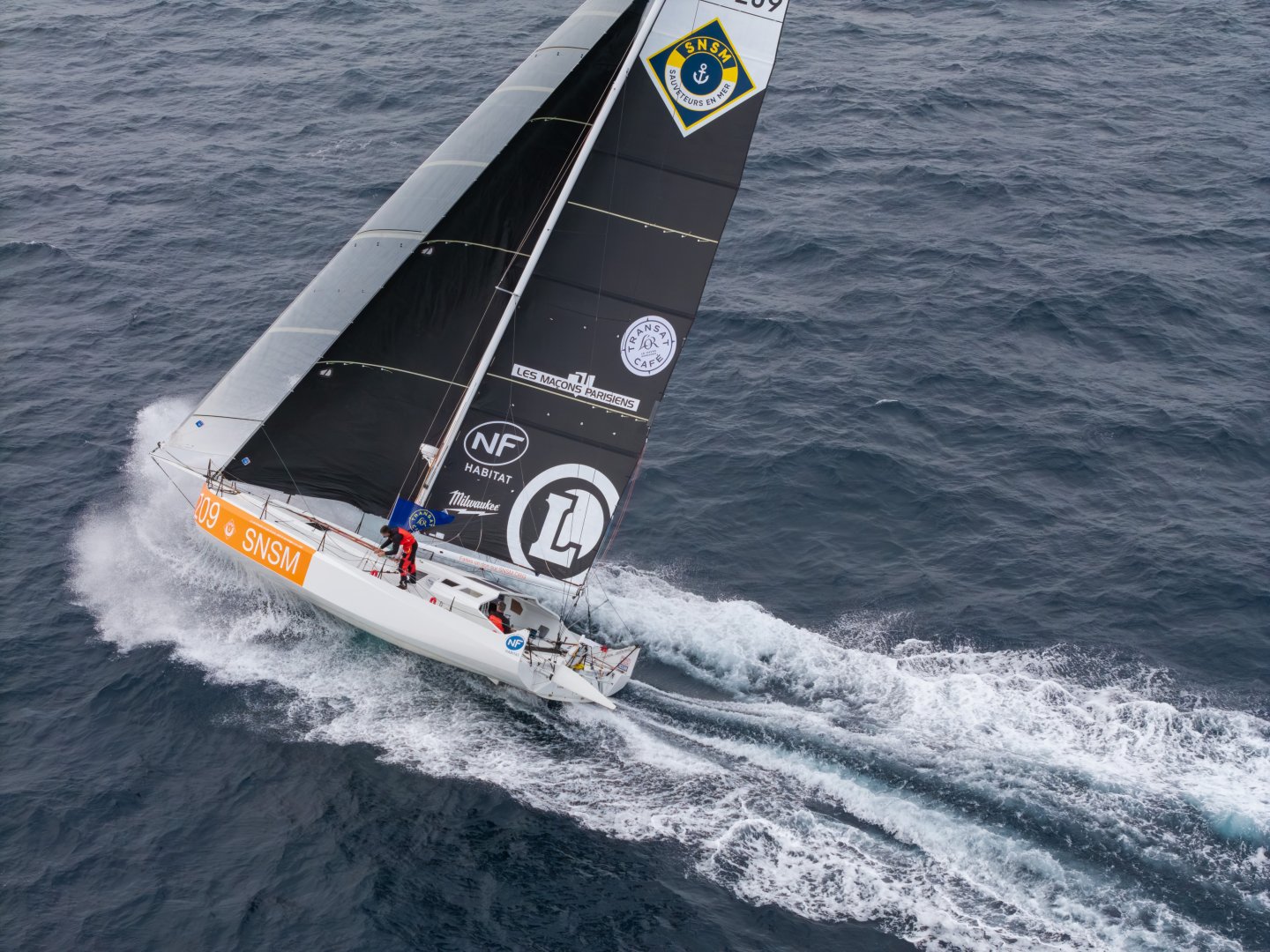 Alexis Courcoux
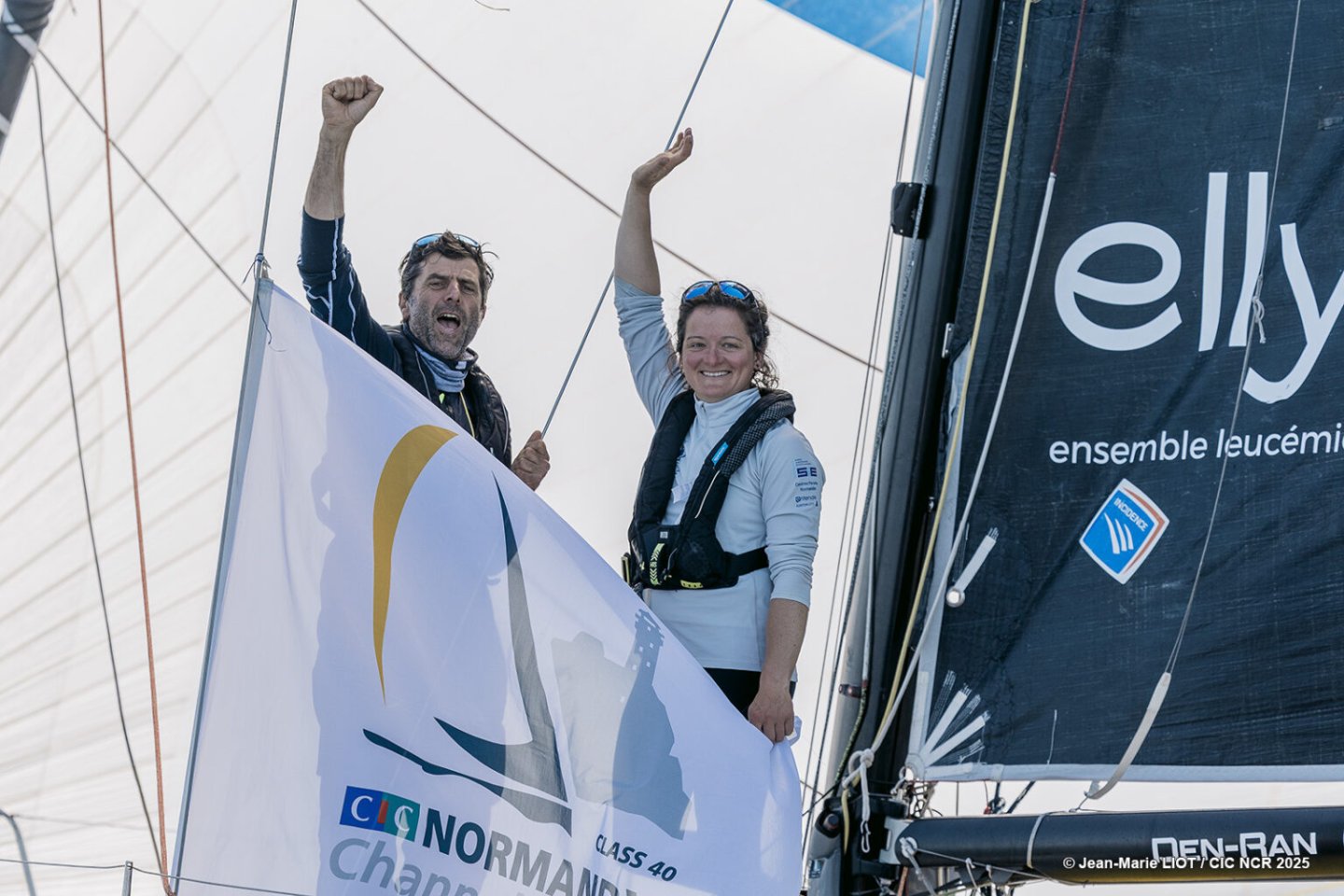 Jean-Marie Liot
Navigating more consistently with the values we uphold
Partnering with an organisation on one’s boat also involves thinking about how to carry out one’s project.
For Vincent Riou, supporting GoodPlanet involves making practical choices: “Being consistent also means avoiding unnecessary transport, buying only what is necessary and reusing as much as possible.” Without claiming to be a perfect example, he advocates a gradual and shared approach: “It’s never perfect, but we can improve little by little and share these values with the people around us.”
This quest for coherence is also evident in Sophie Faguet, who combines sporting ambition with a spirit of sharing, inspired by the daily life she observes at L’Arche: “At L’Arche, daily life is shared: meals, cleaning, laundry… It’s a transgenerational spirit that I really love, a bit like in racing. ”
Corentin Douguet, for his part, points out that sailing requires knowing and supporting those who ensure everyone’s safety at sea, and recognises the extent of their commitment: “Depending on the size of the boat, a rescue operation can involve up to 56 people: that’s a huge commitment. The SNSM is made up of volunteers who carry out a public service mission, available day and night.” This recognition goes far beyond mere symbolism: “The SNSM is an organisation that is part of our world.”
As for Christophe Rateau, he supports Gustave Roussy with a simple idea: to give meaning to the sporting aspect. As a passionate amateur, his professional career in medicine has naturally drawn him to this institute, which supports research for the benefit of cancer patients. For him, the link between the two worlds is clear: “Sport and physical activity have a vital role to play in prevention, treatment and improving patients’ quality of life.”
These four projects serve as a reminder that the Class40 is also a human adventure, where skippers can convey messages and raise awareness about causes – but they are not the only ones!
Aina Bauza Roig : Fondation Alice Milliat
Jules Bonnier : Plastic Odyssey
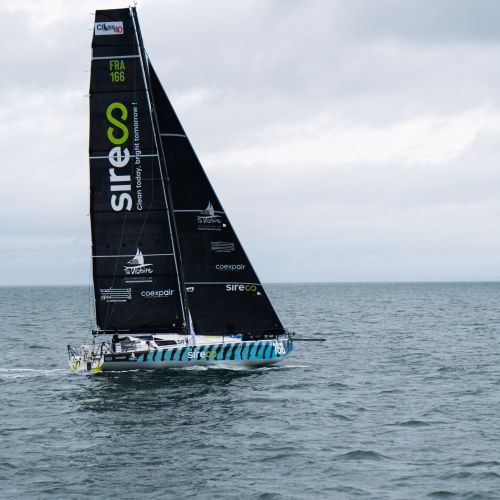
Thomas Lurton : Sireco – Ose
William Mathelin-Moreaux : Patapain Les Invincibles
Matéo Le Calvic - Fondation ARC
Barnabé Jahier