From Oslofjord to Class40 : A Pogo 40 to learn, sail and see where the adventure takes them
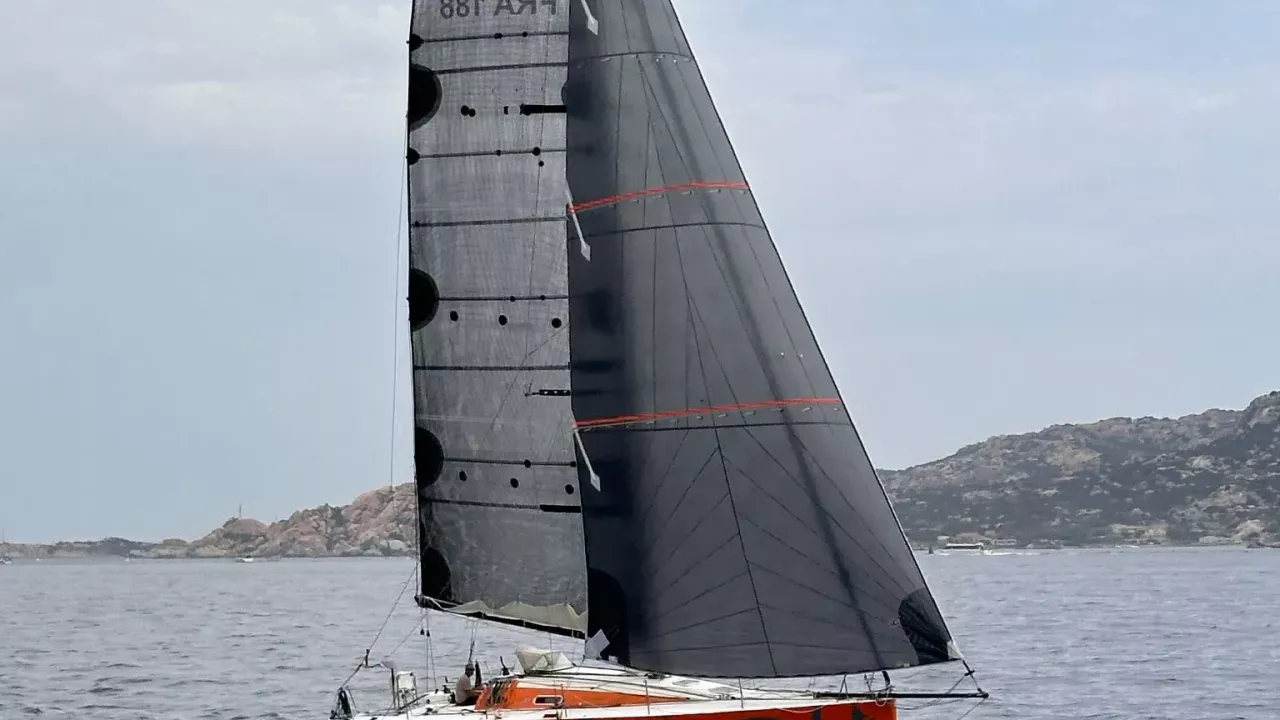
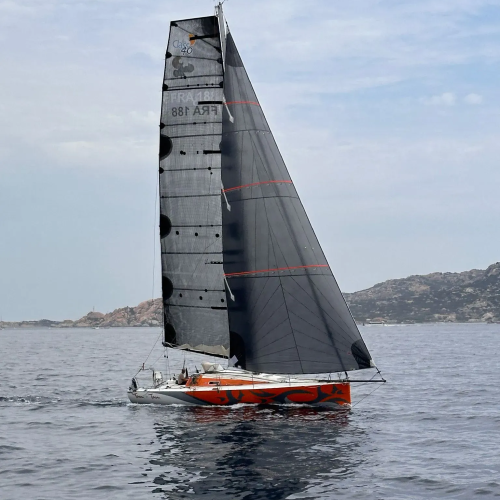
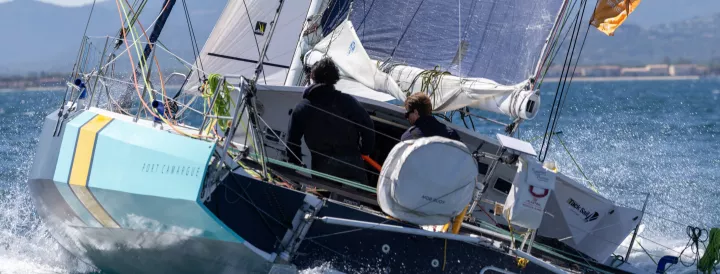
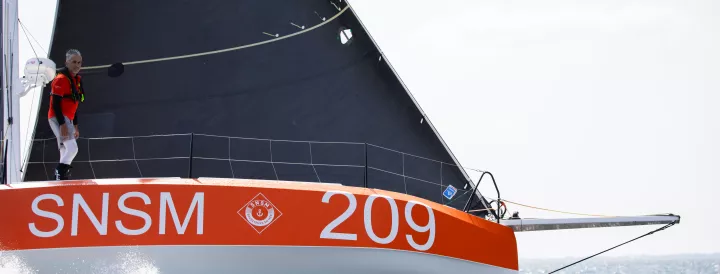
They are 29 and 25, from Norway and England, and have been sailing together for several years in J/70s… but are only just discovering the world of offshore racing. Simon Bailey and Anna Wilson have recently joined the Class40 fleet with a Pogo 40, bought with the ambition of living aboard, learning and gradually making the move into double-handed offshore racing.
After an early family adventure that took him from Norway to Australia at just 12 years old, Simon had long dreamed of returning to ocean sailing. Together with Anna, he finally chose a Class40 as the next step in their adventure. Their plans are ambitious: learn their boat in 2027, head south towards the Caribbean in 2028, take part in the RORC Transatlantic and the Caribbean 600, and then, who knows, perhaps push the adventure as far as Cape Horn.
No sponsor for now, plenty still to learn and already a few early technical setbacks… but above all, an enormous appetite for sailing. Simon tells the story of their project, their ambitions and what led them to choose Class40.
I am Simon Bailey, 29, and I work as an engineer in Norway. I live in Oslo with my partner Anna Wilson, 25, who is English and by far the better helm of the two of us. We have both sailed since we were children, mostly inshore racing. The last few years have been J/70s with our team, Team Jumpstart, out of the Royal Norwegian Yacht Club in Oslo, on the Norwegian circuit and travelling internationally. Anna steers, I call tactics and trim, and we have two fantastic crew, Marcus and Henrik, who help us along the way. The offshore racing world, however, is newer for both of us.
When I was 12, my family of four sailed from Norway to Australia over a year and a half on a Lagoon 42 TPI. Since then I have dreamt of doing something similar, but my love of one-design racing, and time, kept me from it. Recently, with Anna and me having sailed so much together, we decided it was time to buy a boat.
Why a Class40 ?
We wanted a boat we could race properly double-handed, that would take us across an ocean in some degree of comfort, since we intend to live on the boat full time along with our racing, and that we could afford. We looked at everything from old cruiser-racers and IOR boats to a few of the J Boats with a full crew. But watching offshore racing on YouTube leads you to Class40. It is where the best short-handed racing in the world happens, on boats real people can own. There was a lot of discussion about whether we could live on a Class40 full time, and we agreed we could not, until we found the Pogo 40. With a full, yet spartan, interior, she was perfect for us. An older Pogo was our way in. She will not win the Route du Rhum, but she is a proper Class40 and she will teach us.
Ambitions and plans.
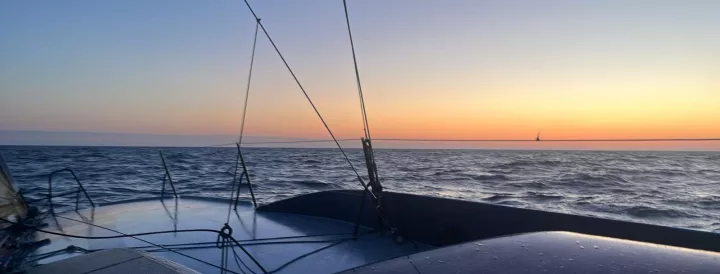
She is on her way north now and will spend the winter in Oslo while we prepare her for a season of racing. We tore the mainsail on the delivery so a new one is needed, the engine needs a rebuild or replacement, and the electronics have to be fully updated. Next season is about learning her and getting miles under us. That means the Nordic double-handed circuit, weekly handicap races, and hopefully a few of the bigger regattas. We do not feel ready for something like the Fastnet double-handed yet.
In 2028 we head south, racing as much as we can on the way to the Caribbean, then the RORC Transatlantic that winter, followed by a full season in the Caribbean with the Caribbean 600 as the highlight. We will see how far it goes from there. Ideally we go through the Panama Canal when the season ends and sail to Chile to ski in the off-season, since we are both quite serious skiers, then round Cape Horn to get back up to the Caribbean for a second season of racing, before we take her home to Norway and resume our normal lives.
How we get there: one step at a time. Miles, mistakes, and asking people who know more than we do. We have a lot to learn about ballast tanks, autopilots and navigation, and the class's experience is a big part of why we joined.
Worries?
Plenty. The delivery has already handed us an engine failure off Spain and a torn mainsail off Portugal, so the boat started teaching us about humility and cost before we had even got her home. The Atlantic is a big step from the Oslofjord, and Cape Horn bigger still. Money is a real one too, since we are doing this without a sponsor so far. But mostly we cannot wait. Every time I look at the photos I want to be on her, figuring out systems, procedures and ways to sail her quickly and safely.